How to Grow Peony Flowers at Home – A Complete Guide for Beautiful and Long-Lasting Garden Blooms
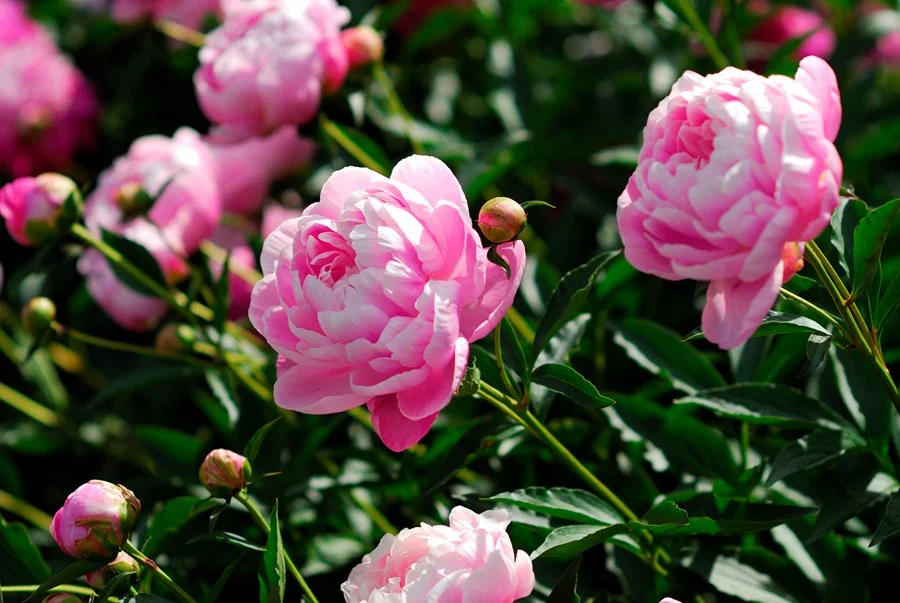
Peonies are among the most stunning and elegant flowers that gardeners love to grow. Known for their large, soft petals and rich fragrance, peonies can create a luxurious and colorful garden display. These flowers come in a variety of shades including pink, white, red, and coral. Although peonies may look delicate, they are actually hardy plants that can thrive for many years with proper care. Learning how to grow peonies at home can help you enjoy their breathtaking blooms every spring.

1. Choose the Right Peony Variety
Before planting, it is important to choose a peony variety that suits your garden conditions. The three main types of peonies include herbaceous peonies, tree peonies, and intersectional peonies.
Herbaceous peonies are the most common and die back in winter before regrowing in spring. Tree peonies develop woody stems and produce very large blooms. Intersectional peonies combine the best features of both types and are known for their strong stems and long-lasting flowers.
2. Select a Sunny and Suitable Location
Peonies grow best in locations that receive at least 6 hours of direct sunlight each day. Adequate sunlight helps the plant produce stronger stems and more vibrant flowers.
The soil should be fertile, well-drained, and rich in organic matter. Peonies do not grow well in waterlogged soil, so good drainage is essential. Adding compost or aged manure can improve soil quality and provide essential nutrients.
3. Planting Peony Roots Correctly
Peonies are usually planted using root divisions rather than seeds. The best time to plant peonies is early autumn, which allows the roots to establish before winter.
Dig a hole about 30–40 cm wide and deep. Place the root in the hole with the buds facing upward. The buds should be positioned just 3–5 cm below the soil surface. Planting too deeply may prevent the peony from blooming.
After planting, gently fill the hole with soil and water the plant thoroughly.
4. Watering and Fertilizing
Peonies require moderate watering, especially during the growing season. Water the plant once or twice per week, depending on rainfall and soil conditions.
Applying a balanced fertilizer in early spring can help promote healthy growth and larger flowers. Avoid excessive nitrogen fertilizer because it may encourage leaf growth instead of blooms.
5. Supporting and Maintaining the Plants
Peony flowers can become quite large and heavy, sometimes causing the stems to bend. Installing plant supports or rings can help keep the stems upright and protect the blooms.
After the flowering season ends, remove faded flowers but allow the foliage to remain until it naturally turns yellow. The leaves help store energy for the next growing season.
Conclusion
Growing peony flowers at home can bring elegance and beauty to any garden. By choosing the right planting location, providing well-drained soil, watering properly, and maintaining the plants with simple care techniques, you can enjoy magnificent peony blooms year after year. With patience and proper gardening practices, peonies can become one of the most rewarding and long-lasting plants in your garden. 🌸🌿