A Beginner-Friendly Step-by-Step Guide on How to Grow Lavender Flowers at Home for a Fragrant and Beautiful Garden
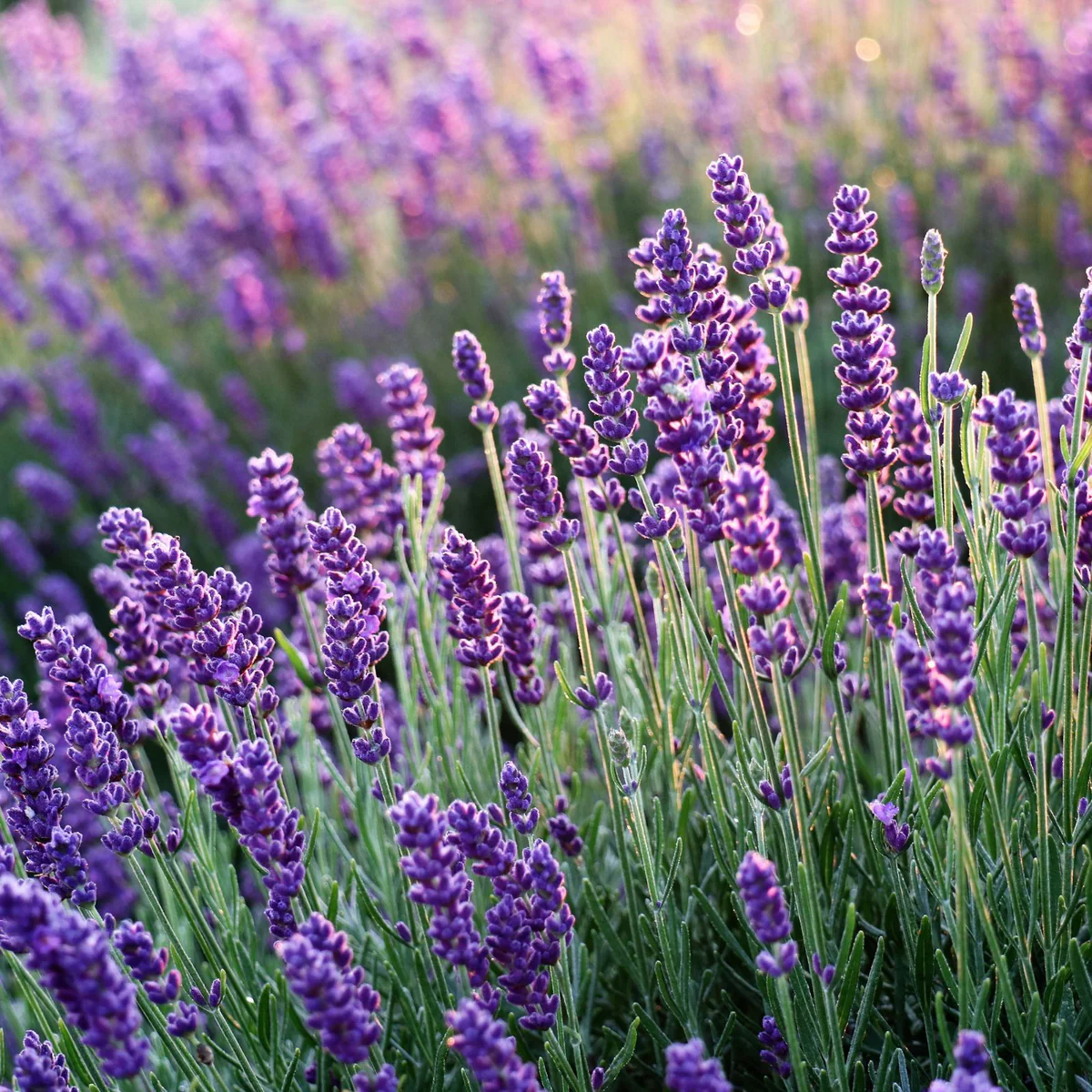
Lavender is one of the most popular flowering plants in the world, known for its soothing fragrance, beautiful purple blooms, and many practical uses. It is commonly used in gardens, home decoration, aromatherapy, and even cooking. The good news is that lavender is relatively easy to grow if you understand its basic needs. With proper care, you can enjoy a garden filled with the relaxing scent and vibrant color of lavender.
1. Choose the Right Lavender Variety
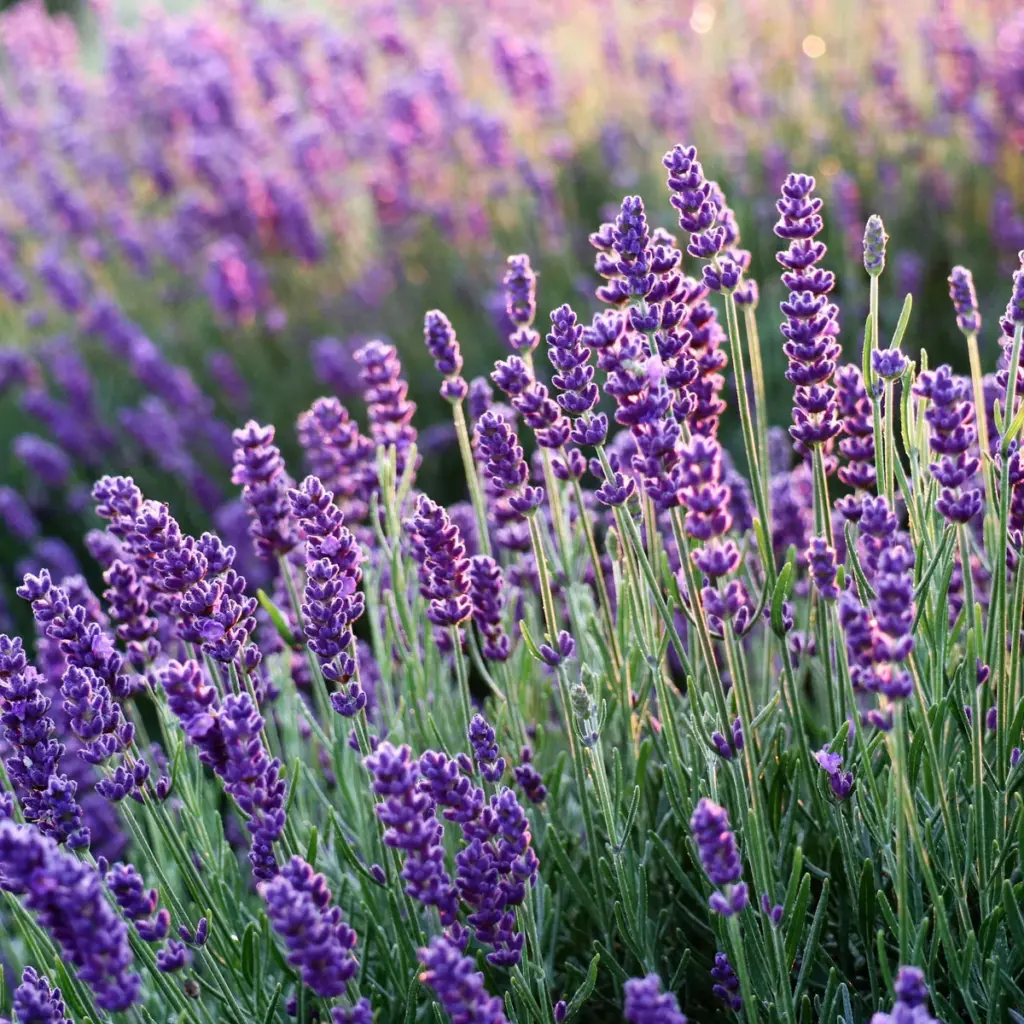
The first step in growing lavender successfully is selecting a variety that suits your climate. Some of the most common types include English lavender, French lavender, and Spanish lavender.
English lavender is often considered the best choice for beginners because it is hardy, fragrant, and relatively easy to maintain. French and Spanish lavender varieties also produce beautiful flowers but may require warmer climates and slightly different care.
2. Find the Perfect Planting Location
Lavender thrives in full sunlight, so it should be planted in a location that receives at least 6–8 hours of direct sunlight every day. Sunlight helps lavender develop strong stems and encourages more abundant blooms.
Another important factor is soil drainage. Lavender does not grow well in wet or heavy soil. Instead, it prefers light, well-drained soil, often slightly sandy or mixed with gravel. Good drainage prevents root rot and keeps the plant healthy.
3. Planting Lavender Correctly
When planting lavender, dig a hole that is slightly larger than the plant’s root ball. Place the plant gently into the hole and fill it with soil mixed with compost or organic matter.
Make sure to space lavender plants about 40–60 cm apart, depending on the variety. Proper spacing improves air circulation and allows the plants to grow into full, bushy shapes.
After planting, water the plant lightly to help the roots settle into the soil.
4. Watering and Basic Care
Lavender is naturally drought-tolerant, which means it does not require frequent watering once established. During the first few weeks after planting, water regularly to help the roots develop. After that, watering once every 7–10 days is usually enough.
Overwatering is one of the most common mistakes when growing lavender. Too much moisture can damage the roots and reduce flowering.
5. Pruning and Maintaining the Plant
Pruning lavender regularly helps maintain its shape and encourages new growth. After the blooming season, trim back the flower stems and lightly shape the plant.
Avoid cutting too deeply into the woody part of the plant, as lavender may struggle to regrow from old wood. With consistent pruning each year, lavender plants can remain healthy and productive for many seasons.
Conclusion
Growing lavender at home is a wonderful way to create a peaceful and fragrant garden environment. By providing plenty of sunlight, well-drained soil, moderate watering, and regular pruning, you can cultivate strong lavender plants that bloom beautifully year after year. Whether you grow lavender for its scent, appearance, or practical uses, it is a rewarding plant that can transform any garden into a relaxing natural space. 💜🌿