A Detailed Beginner’s Guide on How to Grow Jasmine Flowers at Home for a Fragrant and Blooming Garden
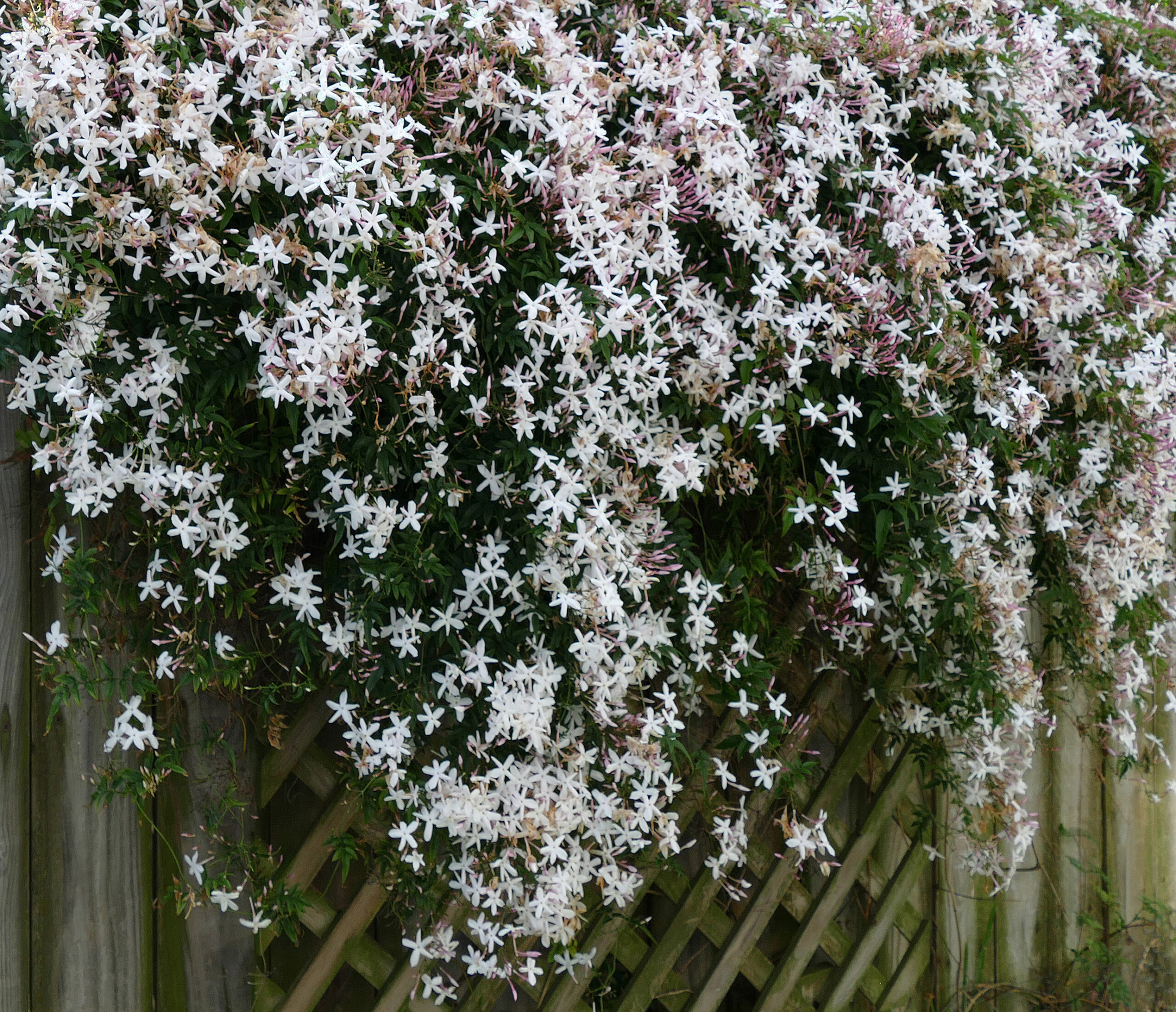
Jasmine is one of the most beloved flowering plants, known for its delicate white blossoms and sweet, relaxing fragrance. These flowers are widely used in gardens, perfumes, teas, and home decoration. Growing jasmine at home is a great way to bring natural beauty and a pleasant scent to your living space. With proper care and the right growing conditions, jasmine plants can thrive and bloom beautifully throughout the year.
1. Choose the Right Jasmine Variety
Before planting jasmine, it is important to select a variety that suits your climate and garden conditions. Some of the most common types include Arabian jasmine, common jasmine, and winter jasmine.
Arabian jasmine is especially popular for home gardens because of its strong fragrance and attractive white flowers. It can grow well in both outdoor gardens and containers, making it a versatile choice for many gardeners.
2. Select a Sunny Planting Location
Jasmine plants grow best in areas that receive plenty of sunlight. Ideally, they should receive at least 5–7 hours of sunlight each day. Adequate sunlight encourages healthy growth and helps the plant produce more flowers.
The soil should be fertile, loose, and well-drained. Jasmine does not tolerate waterlogged soil, so proper drainage is essential. Mixing garden soil with compost or organic matter can improve soil quality and provide essential nutrients.
3. Planting Jasmine Properly
Jasmine can be grown from cuttings, seedlings, or young plants purchased from a nursery. If planting in the ground, dig a hole large enough to comfortably fit the root ball.
Place the plant in the hole and fill it with soil mixed with compost. Press the soil gently around the base to secure the plant. After planting, water the jasmine thoroughly to help the roots settle.
If you are growing climbing jasmine varieties, consider installing a trellis or support structure so the plant can grow upward and spread beautifully.
4. Watering and Fertilizing
Jasmine plants require regular watering, especially during the growing season. Water the plant two to three times per week, depending on the weather and soil conditions. The soil should remain slightly moist but not overly wet.
Applying organic fertilizer or compost every four to six weeks can help the plant grow stronger and encourage more blooms. Balanced fertilizers with moderate nitrogen levels are usually ideal for jasmine plants.
5. Pruning and Maintenance
Pruning jasmine helps maintain the plant’s shape and stimulates new growth. Remove dead, weak, or damaged branches to improve airflow and keep the plant healthy.
The best time to prune jasmine is after the flowering period. Regular trimming also encourages the plant to produce more branches and flowers in the next growing cycle.
Conclusion
Growing jasmine flowers at home is a wonderful way to create a fragrant and peaceful garden environment. By choosing the right variety, providing adequate sunlight, watering properly, and pruning regularly, you can enjoy healthy jasmine plants that bloom beautifully year after year. With consistent care, your garden can be filled with the delightful scent and elegance of jasmine flowers. 🌼🌿