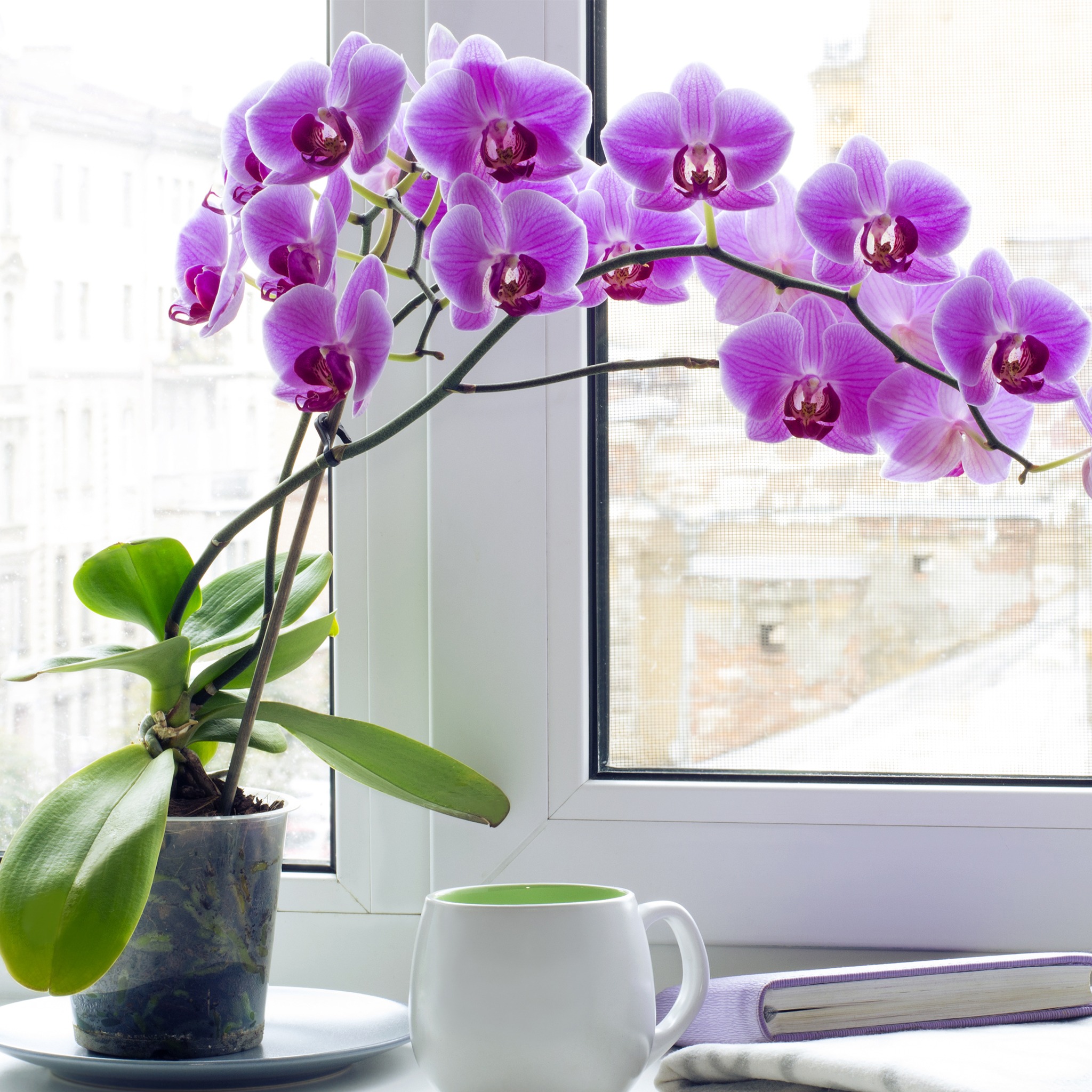
A Complete Step-by-Step Guide on How to Grow Orchids at Home for Long-Lasting and Beautiful Blooms
Orchids are among the most elegant and exotic flowers in the world. Known for their unique shapes, vibrant colors, and long-lasting blooms, orchids are a favorite choice for home decoration and indoor gardening. Although many people believe orchids are difficult to grow, they can actually thrive with the right care and environment. With proper attention to light, watering, and humidity, you can successfully grow beautiful orchids at home.
1. Choose the Right Orchid Variety
There are thousands of orchid species, but some varieties are easier for beginners to grow. One of the most popular choices is the Phalaenopsis orchid, also known as the moth orchid. This type is widely recommended because it adapts well to indoor environments and produces stunning flowers that can last for several weeks.
Other beginner-friendly orchids include Dendrobium and Oncidium, which also offer beautiful blooms and relatively simple care requirements.
2. Provide the Proper Lighting
Orchids need bright but indirect light to grow well. Placing them near a window that receives filtered sunlight is usually ideal. Direct sunlight, especially during the hottest part of the day, can damage the leaves and cause them to burn.
A good sign that your orchid is receiving the right amount of light is when the leaves appear bright green. Dark green leaves may indicate insufficient light, while yellowish leaves could suggest too much sunlight.
3. Use the Right Growing Medium
Unlike many other plants, orchids do not grow well in regular garden soil. Instead, they require a special growing medium that allows their roots to breathe. Common orchid growing materials include bark chips, sphagnum moss, coconut husk, or charcoal.
These materials provide excellent drainage and airflow, which are essential for healthy orchid roots.
4. Watering and Humidity
Orchids prefer moderate watering. In most cases, watering once a week is sufficient. The key is to allow the growing medium to dry slightly between watering sessions. Overwatering can cause root rot, which is one of the most common problems in orchid care.
Orchids also thrive in environments with higher humidity. If the air in your home is dry, placing a tray of water near the plant or using a humidifier can help create a more suitable environment.
5. Fertilizing and Maintenance
To encourage healthy growth and regular flowering, orchids benefit from light fertilization. A balanced orchid fertilizer applied every two to four weeks during the growing season can help support strong leaves and vibrant blooms.
Regularly remove dried flowers and damaged leaves to keep the plant healthy and attractive. With proper care, orchids can bloom multiple times each year.
Conclusion
Growing orchids at home can be a rewarding and enjoyable experience. By choosing the right orchid variety, providing indirect sunlight, maintaining proper watering habits, and using the correct growing medium, you can successfully cultivate orchids that produce stunning and long-lasting flowers. With patience and consistent care, these elegant plants can become a beautiful centerpiece in your home or garden. 🌸