How to Grow Daisy Flowers at Home – A Simple Step-by-Step Guide for Beginners
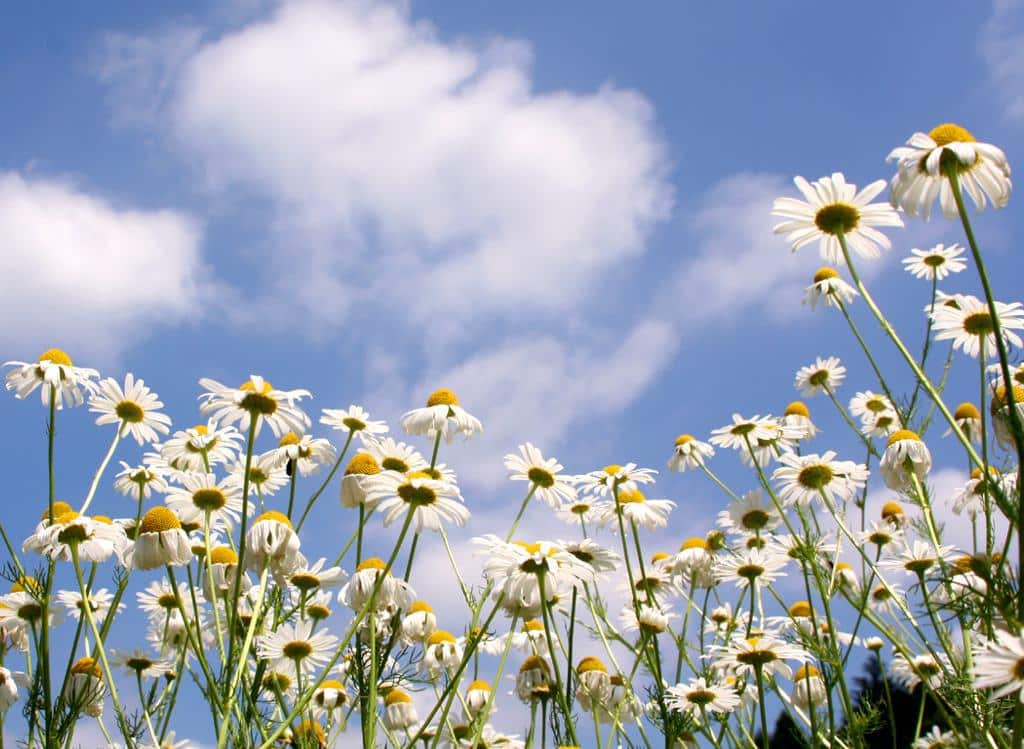
Daisy flowers are widely loved for their simple beauty, bright appearance, and cheerful charm. With their classic white petals and yellow centers, daisies can instantly brighten any garden or outdoor space. These flowers are also known for being easy to grow, making them an excellent choice for beginner gardeners. If you want to create a colorful and lively garden, learning how to grow daisies is a great place to start.
1. Choose the Right Daisy Variety
There are many types of daisy flowers available, each with unique characteristics. Some of the most popular varieties include Shasta daisies, Gerbera daisies, and African daisies.
Shasta daisies are commonly grown in home gardens because they are hardy and easy to maintain. Gerbera daisies are known for their bright and vibrant colors such as red, orange, pink, and yellow. African daisies also produce colorful blooms and are well suited for warm climates.
Choosing the right variety depends on your local climate, garden space, and personal preferences.
2. Select the Best Planting Location
Daisies grow best in areas that receive full sunlight for at least 6 hours each day. Sunlight helps the plants grow strong stems and produce more flowers throughout the season.
The soil should be well-drained and moderately fertile. Daisies do not thrive in overly wet soil, so proper drainage is important. Mixing compost into the soil before planting can improve its structure and provide additional nutrients.
3. Planting Daisy Seeds or Seedlings
Daisies can be grown from seeds or young plants. If planting seeds directly in the garden, sow them lightly on the soil surface and cover them with a thin layer of soil.
Space the plants 25–30 cm apart so they have enough room to grow. Daisy seeds typically germinate within 10–14 days under suitable conditions.
After planting, water the soil gently to keep it moist while the seeds begin to sprout.
4. Watering and Fertilizing
Daisies require regular watering, especially during their early growth stages. Water the plants two times per week, depending on weather conditions. The soil should remain slightly moist but never waterlogged.
Applying a balanced fertilizer every 4–6 weeks during the growing season can encourage healthy growth and more abundant blooms.
5. Pruning and Maintenance
To keep daisies blooming for a longer period, it is helpful to remove faded flowers. This process, known as deadheading, encourages the plant to produce new buds.
You can also trim back overgrown stems to maintain a neat shape and promote better air circulation around the plant.
Conclusion
Growing daisy flowers at home is a simple and rewarding gardening activity. By providing plenty of sunlight, well-drained soil, regular watering, and basic maintenance, you can enjoy beautiful daisy blooms throughout the growing season. With minimal effort and proper care, these charming flowers can transform your garden into a bright and welcoming space. 🌼🌿