A Complete Guide to Growing Lily Flowers at Home for Elegant and Fragrant Garden Blooms
Lilies are among the most elegant and eye-catching flowers found in gardens around the world. Known for their large trumpet-shaped blooms, vibrant colors, and pleasant fragrance, lilies can instantly enhance the beauty of any garden or landscape. Although they may look delicate and exotic, lilies are actually quite easy to grow when you understand their basic needs. With the right planting techniques and regular care, you can enjoy stunning lily flowers blooming year after year.

1. Choose the Right Lily Variety
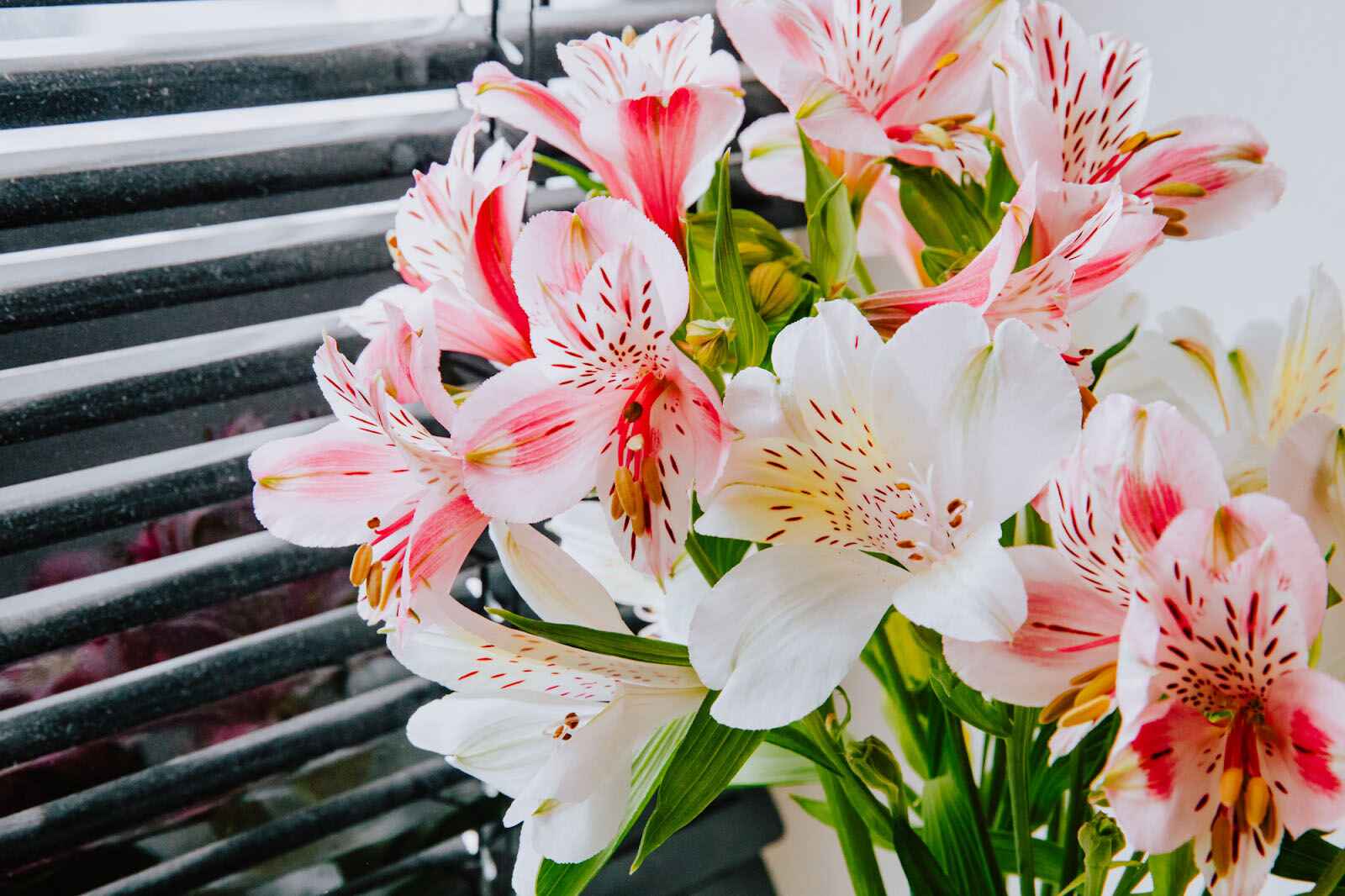
There are many different types of lilies available for gardeners. Some of the most popular varieties include Asiatic lilies, Oriental lilies, and Trumpet lilies.
Asiatic lilies are often recommended for beginners because they are hardy, easy to grow, and bloom early in the season. Oriental lilies are known for their strong fragrance and large dramatic flowers. Trumpet lilies feature long, trumpet-shaped blooms that add elegance to any garden. Selecting the right variety depends on your climate and personal preference.
2. Find the Best Planting Location
Lilies grow best in areas that receive full sunlight or partial shade. Ideally, they should get at least 6 hours of sunlight per day to develop strong stems and produce vibrant flowers.
The soil should be well-drained, loose, and rich in organic matter. Lily bulbs are sensitive to excessive moisture, so good drainage is essential to prevent bulb rot. Adding compost or organic fertilizer to the soil can improve fertility and help the plants grow stronger.
3. Planting Lily Bulbs Properly
Lilies are grown from bulbs rather than seeds. The best time to plant lily bulbs is in spring or autumn, depending on the variety and climate.
Dig a hole about 10–15 cm deep and place the bulb with the pointed end facing upward. Space each bulb 20–30 cm apart to allow enough room for the plants to grow. After planting, cover the bulbs with soil and water them gently to help the roots establish.
4. Watering and Fertilizing
Lilies require consistent but moderate watering. The soil should remain slightly moist but never soggy. Water the plants once or twice a week depending on weather conditions.
Applying a balanced fertilizer or compost during the growing season can support healthy growth and encourage larger blooms. Fertilizing every 4–6 weeks during active growth is usually sufficient.
5. Maintenance and Flower Care
As lilies grow taller, some varieties may need support to prevent stems from bending or breaking. Using a small stake can help keep the plant upright, especially in windy areas.
After the flowers fade, remove the spent blooms but allow the leaves to remain. The foliage continues to collect sunlight and store energy in the bulb for the next blooming season.
Conclusion
Growing lilies at home is a wonderful way to add elegance, color, and fragrance to your garden. By choosing healthy bulbs, planting them in well-drained soil, providing adequate sunlight, and maintaining proper watering habits, you can enjoy beautiful lily blooms each year. With just a little care and attention, lilies can become one of the most stunning highlights in your garden landscape. 🌸🌿