The land out past Dry Creek was quiet that spring, still cold at night but dry enough for fence work.
Colt Brandon had been alone out there for most of the season, just him, his tools, and the slow rhythm of rebuilding what time and wind had worn down. His ranch was not big, just a square of hard-baked land tucked along the base of the Red Hills, a patch of earth too dry for corn but good enough for grazing when things were kept modest. That was how Colt liked it. Modest, predictable, no debts, no visitors.
At 34, he had lived more years in silence than in company. Once, he had ridden with scouts back when the war was winding down and the territory still ran hot with raids and revenge. He lost a brother to one of those rides, wrong place, wrong time. Though Colt never blamed the Apache for it, he never quite forgave the war either. After that, he stopped chasing meaning and started building fences. No one could die from fence posts and dry cattle.
He was stretching wire along the southern edge of his land when he heard it, a sound sharp enough to break through the hum of wind and hoof flies. Not cattle, not birds. Something human and in pain.
He straightened and waited. There it was again, a yell, quick and muffled, followed by a low, ragged sound like a growl too big for a dog. Colt moved fast. He unwrapped the reins from the post, climbed onto his bay gelding, and kicked toward the dry gulch.
He did not know what he was riding into, but his gut tightened the way it used to before a shootout. His hand stayed close to the Winchester across his saddle. It took 5 minutes to reach the rise above the gulch. The horse stumbled to a stop on its own.
Colt spotted the bear first, big, mean-looking, ribs showing under its hide, clearly riled and hungry. It was moving over something on the ground. A man.
Colt dismounted in one clean motion, took position behind a stand of mesquite, steadied his aim, and fired once into the animal’s shoulder. The bear reared and turned toward the sound. Colt did not flinch. The second shot took it in the neck. The third caught it square between the eyes. It dropped.
He waited 30 seconds to be sure. The gulch went quiet again. No wind, no birdsong.
He walked down slowly, rifle still raised. The man on the ground was not moving much. Blood pooled beneath him, dark and steady, soaking into the cracked dirt. Colt crouched beside him, keeping one eye on the bear’s still body.
The man was older, gray threaded through his black braids, face lined from sun and years. Apache, by the clothing and the beads, though none of the war paint or weapons Colt had seen in younger braves. Colt put 2 fingers to the man’s neck. Still alive, barely.
The man’s eyes opened, glassy but focused. They met Colt’s without fear.
Colt exhaled hard. “All right,” he muttered. “Let’s get you out of here.”
There was no way the man could walk. Colt folded the Winchester under his arm, lifted the elder carefully, and carried him up to the horse. He had done this before, dead weight from battlefields or drunkards on cattle drives. This was different, though. This man was not a burden. He was someone’s father, maybe someone’s grandfather, just a man who went for a walk and met the wrong beast.
Colt slung him across the saddle and climbed up behind, 1 hand keeping the man steady, the other holding the reins. The ride back to the cabin was slow. He felt the man’s breathing grow shallow against his arm.
The blood was still wet on Colt’s shirt by the time they reached the cabin. The place was simple: timber walls, stone hearth, 1 bed, 1 chair. Colt opened the door with his boot, laid the man down on the cot, and lit the oil lamp. He moved fast, water on a boil, needle and thread, a clean knife from the drawer.
He washed his hands, then tore the elder’s shirt open and started cleaning the wound. The bear had torn through skin and muscle but had not broken bone. Luck, if a man believed in it.
The man groaned once when Colt poured the hot water.
“Yeah,” Colt said, voice low. “That part hurts.”
He worked in silence for over an hour, hands steady, focus absolute. He sewed the deep gashes in tight, slow lines, packed the worst spots with cloth, and splinted the twisted arm using an old hickory shaving stick. It was not clean, not by a doctor’s measure, but it would hold.
When it was done, Colt sat down in the chair by the fire and watched the man breathe, in and out, barely. He was not used to company and was not sure what came next, but the thought of letting a man die alone on a dirt path did not sit right with him, not after all the dying he had seen.
He poured water into a cup and sat by the bedside. The man did not reach for it, just breathed shallow and even. Colt leaned back and let the quiet settle.
He had not asked who the man was. He did not know if the tribe would come looking for him. He did not care much either way. He had done what needed doing. That was enough.
The elder did not speak for 3 days. Colt did not expect him to. He checked the man’s bandages each morning, replaced the soaked cloths with clean ones, and spooned broth between his cracked lips. The old man swallowed when he could, turned his head slightly when Colt dabbed at the sweat, but never tried to talk. His eyes stayed sharp, though, watching every movement from the cot, tracking Colt as he moved about the cabin.
Colt did not ask questions. He figured if the man wanted to talk, he would. In the meantime, he kept to routine, feeding the horses, checking the lines, hauling water. He worked quiet like always, but there was a different weight now, the sound of another breath in the room, the sense that someone was watching, even if they never said a word.
On the 4th morning, Colt came in with a bundle of dry wood under his arm and found the cot empty. His chest jumped. He set the wood down fast and scanned the room. The door had not been touched. The rifle still rested against the wall.
Then a sound. Movement by the hearth.
The old man had pulled himself out of bed, sat cross-legged near the fire, and was staring at the flames. He looked pale, hunched forward with effort, but there was no panic in him. He did not look lost or delirious. He looked like a man doing what needed doing.
“You should be down,” Colt said, keeping his voice even.
The man did not look up. He did not seem offended either. He spoke for the first time in a low, graveled voice.
“You did not ask who I was.”
Colt stood still, unsure how to answer. “I figured you’d tell me if it mattered.”
The elder nodded slowly. “It does.”
Colt crossed the room, crouched near the fire, but kept a respectful distance. The air smelled of boiled linen and pine smoke. Outside, wind pressed softly against the shutters.
“My name is Toka,” the elder said. “My people are 10 ridges east, past the rocks shaped like teeth.”
Colt knew the place. He had ridden near it once.
“You saved my life,” the man continued. “That is seen.”
Colt shrugged. “Did what anyone should do.”
Toka looked at him for the first time. Really looked. His face was sharp with age, lined with sun, but his eyes were steady.
“No,” he said. “Not anyone.”
He did not explain further. Instead, he asked for more water, and Colt helped him back to the cot. That was all.
The next morning, Toka was gone.
Colt woke to find the bed empty again, but this time the fire was cold and the door wide open. No sign of struggle, no footprints in the dust, washed away by the night’s breeze. No note, no markings, nothing.
Colt stood on the porch for a long time, looking out toward the ridgeline. A part of him expected the man to return. Another part knew better.
The day passed slow, quiet, familiar. But something hung in the air now, a restlessness. That night, Colt did not sleep well.
He woke early, before dawn, with light just starting to soften the edges of the sky. He reached for the kettle, thinking about chores, and stopped.
Someone was in the cabin.
She sat near the cold fire, back to him, hands folded in her lap. He had not heard the door. Had not heard a step. The woman did not move when he sat up. She just waited.
Her skin was bronze from the sun. Her long black hair was slightly waved, loose down her back, decorated with 2 leather strips that had fallen over her shoulder. She wore a torn deerskin dress, low-cut at the front, the strap on 1 side hanging half loose. Her thighs were visible through a long rip in the hem, and the fabric clung to her hips in a way that made Colt’s breath catch, not out of lust, but out of confusion.
There was a satchel by her bare feet. She had walked a long way. She did not flinch when he stood.
Colt reached slowly for his shirt. “You lost?”
News
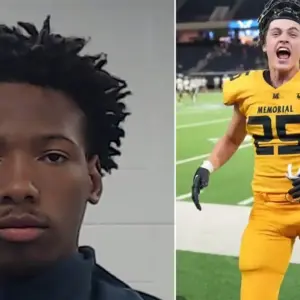
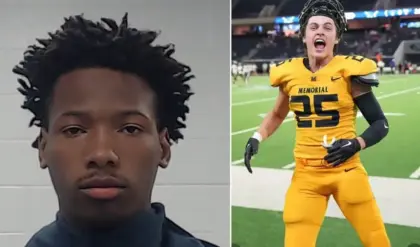
THE MOMENT THE CASE CHANGED: According to prosecutors, a five-word statement allegedly made before the confrontation with Austin Metcalf became a turning point in the courtroom battle… 👇👇
By U.S. Crime Desk Five words may become one of the most important pieces of the Karmelo Anthony murder trial. “Touch me and see what happens.” The sentence, allegedly spoken moments before 17-year-old Austin Metcalf was fatally stabbed at a…
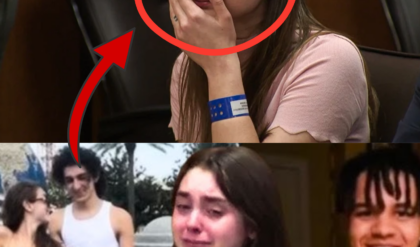
AUSTIN METCALF’S FAMILY REACTS IN ANGER: New testimony in the Karmelo Anthony has focused on five words prosecutors
By U.S. Crime Desk Five words may become one of the most important pieces of the Karmelo Anthony murder trial. “Touch me and see what happens.” The sentence, allegedly spoken moments before 17-year-old Austin Metcalf was fatally stabbed at a…
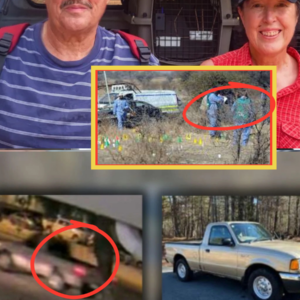
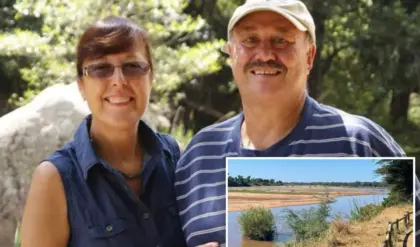
THE ROAD LOCALS FEARED MOST: Before Ernst and Dina Marais disappeared, a driver reportedly warned them about a risky route near Pafuri
By Africa Crime Desk At the time, it was only a casual warning. The kind of thing locals say to tourists near Pafuri every day: take care on that road, avoid the quieter route too late, don’t assume the bush…
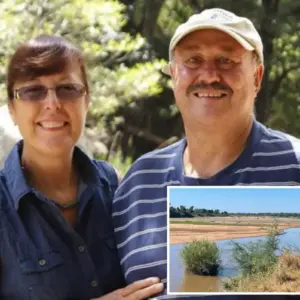
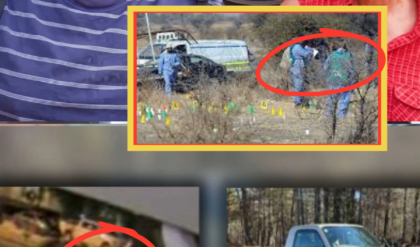
THE GATE CAMERA MAY HOLD THE ANSWER: Newly recovered security footage is reportedly helping investigators reconstruct the final hours before Ernst and Dina Marais vanished into the Kruger mystery…
The killers may have thought the river would hide everything. The bodies.The vehicle.The route.The reason Ernst and Dina Marais were targeted in one of the most shocking crimes in Kruger National Park’s history. But the case may not have ended…
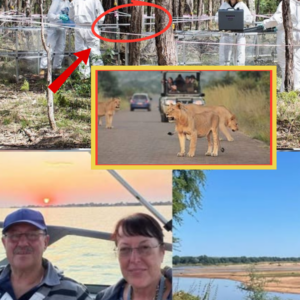
THE DOGS DIDN’T FAIL — THE TRAIL CHANGED: At the riverbank in Kruger, the scent vanished near the water
The dogs followed the scent until the river took it away. That is the chilling claim now circulating around the murder of Ernst and Dina Marais, the retired Mossel Bay couple found dead near Crooks Corner in Kruger National Park….
The sniffer dogs stopped at the water’s surface” at the location where Ernst and Dina’s bodies were found in Kruger National Park During the search
The dogs followed the scent until the river took it away. That is the chilling claim now circulating around the murder of Ernst and Dina Marais, the retired Mossel Bay couple found dead near Crooks Corner in Kruger National Park….
End of content
No more pages to load