Homeless at Nineteen, He Inherited a Dying Honey Farm—But the Secret Inside the Hives Rewrote His Future
Eli Mercer was nineteen years old, broke, hungry, and sleeping behind a gas station off Highway 64 when he learned he had inherited land.
Not a house in the suburbs. Not a trust fund. Not even a decent pickup truck.
Land.
The message came folded inside a court-stamped envelope a volunteer at the church shelter handed him with two fingers, like it might fall apart before he opened it. Eli stood under the buzzing fluorescent lights near the coffee urn, his backpack hanging off one shoulder, and read the letter three times before the words stopped looking like a joke.
Estate of Franklin James Mercer.
Sole named beneficiary: Elijah Mercer.
Property conveyed: Mercer Honey Farm, Black Creek Road, Rowan County, North Carolina.
Eli looked up at the volunteer, a gray-haired woman named June who ran the shelter desk like a drill sergeant with a Bible verse for every occasion.
“I don’t know anyone with land,” he said.
She squinted at the return address. “Then maybe the land knows you.”
He almost laughed. Instead, he folded the letter and slid it into his jacket pocket like someone might steal it.
Franklin Mercer was his grandfather, technically. Eli had seen him exactly twice in his life. Once when he was six, when his mother took him to a farmhouse with rows of white bee boxes behind it and told him not to wander. He remembered the heat, the smell of clover, and the old man’s face under a mesh veil. Franklin had stared at Eli a long time before crouching down and placing a jar of amber honey in his little hands.
“This one’s sourwood,” Franklin had said. “Real stuff. Not grocery store sugar in a bear-shaped bottle.”
The second time Eli saw him was from the back seat of a social worker’s sedan when he was twelve. They drove past the property on their way to another foster placement. The farmhouse looked dark even in the afternoon. The bee boxes were half toppled. His social worker had asked if he wanted to stop.
Eli had said no.
Now Franklin was dead, and the broken place on Black Creek Road belonged to a nineteen-year-old with forty-two dollars in his pocket, a backpack full of clothes, and nowhere to sleep by Friday.
June poured him coffee in a paper cup. “You got family out there?”
“Not that I know of.”
“You got options here?” she asked.
He looked around the shelter. Men on metal chairs. Plastic bins. Wet coats drying by a humming vent. A teenager asleep upright with his chin on his chest.
“No,” Eli said.
June nodded once. “Then go see what was left to you.”
The bus dropped him in Salisbury, and from there he hitched the last twelve miles with a feed-store owner named Curtis Hall, who smelled like cedar shavings and chewing tobacco. Curtis drove an old Ford with a cracked dash and a bag of dog food sliding around in the passenger footwell.
“Mercer place?” Curtis asked, glancing at Eli with the kind of curiosity small-town people saved for strangers and scandal. “You kin to Frank?”
“My grandfather.”
Curtis whistled low. “Well I’ll be. Thought that old place’d fall into the creek before somebody claimed it.”
Eli looked out the window as the town thinned into fields and wood lines. “What happened to it?”
Curtis snorted. “Depends who you ask. Bees died. Market changed. Frank got meaner. Or sadder. Maybe both. After his daughter ran off, he quit talking much. After the fire in the packing shed, he near quit everything.”
“My mother,” Eli said quietly.
Curtis glanced over. “Didn’t mean nothing by it.”
Eli shrugged like it didn’t matter. Most of his life, people talked about his mother in the past tense whether she was dead or just gone. His earliest memory of her was a motel room with a yellow bedspread and her singing softly while counting crumpled cash on the dresser. She’d loved him, he believed that much. But loving someone and staying were not always the same thing.
The road turned from pavement to gravel. Trees closed in, and then the Mercer Honey Farm appeared between them like the remains of a story nobody finished.
The farmhouse leaned slightly to one side. Paint peeled off the siding in sunburned curls. The porch steps sagged. Beyond it, a wide field sloped toward a creek and dozens of old hive boxes sat in clusters—some upright, some split, some swallowed by weeds waist-high and silvering in the afternoon light.
A rusted sign hung crooked from two posts:
MERCER HONEY FARM
PURE RAW HONEY SINCE 1948
Curtis stopped the truck. “You need a ride back, you find me at Hall Feed and Seed. If you’re smart, you’ll sell whatever’s left and head to Charlotte.”
Eli opened the door. “Thanks for the lift.”
Curtis didn’t drive away immediately. “One more thing. You see a man named Wade Grayson sniffing around, don’t sign nothing.”
Eli paused. “Why?”
Curtis’s jaw tightened. “Because that man’s been waiting on Frank Mercer to die longer than the undertaker.”
Then he drove off.
Eli stood in the dust as it settled around his boots. The property stretched quiet under a pale sky. No dogs barking. No television somewhere inside. Just the whisper of wind over dry grass and, beneath it, a softer sound he almost didn’t notice at first.
Buzzing.
Not loud. Not swarming. Just enough to tell him not all the bees were gone.
He climbed the porch steps carefully and used the key the lawyer had mailed with the estate letter. The front door stuck before opening with a moan.
Inside, the house smelled of old wood, dust, and something sweet long faded but not gone. Honey, maybe. Or wax.
The furniture was still there. A plaid sofa. A kitchen table with three chairs. A refrigerator humming weakly but empty except for mustard older than Eli. On the wall hung black-and-white photographs of men in veils standing beside stacked hive boxes, women holding jars, a boy carrying frames dripping gold.
In one photo, Franklin Mercer stood next to a smiling young woman in denim overalls. Even at a glance, Eli knew she was his mother. Same sharp chin. Same eyes.
He looked away fast.
There was power, barely. Running water sputtered brown, then clear. Upstairs, two bedrooms. One had been Franklin’s—neat, plain, a Bible on the nightstand. The other held boxes, broken chairs, and an iron bed frame without a mattress.
The lawyer had said the estate included “all structures and contents as found.” Which was a legal way of saying: whatever junk the dead man left behind is now your problem.
Eli dropped his backpack in the second bedroom and went back outside before the silence inside could press too hard against his chest.
Up close, the apiary looked less dead than neglected. He counted more than fifty hive boxes, though many needed repair. A few had fresh traffic at the entrances—worker bees coming and going in steady lines. Wild colonies had probably moved into abandoned equipment. Some boxes were beyond saving, rotted from rain. Others just needed lids, paint, and patience.
He walked farther, toward the largest outbuilding near the tree line. The sign on the side, barely legible, read HONEY HOUSE.
The padlock had been cut years earlier. Inside, light fell through slats in the wall onto dusty extracting equipment: a stainless steel spinner, uncapping knives, buckets, filters, stacks of jars still in boxes. A burned section blackened one corner of the room where the fire Curtis had mentioned must have started. Yet most of the equipment was still there.
At the back sat a workbench covered in notebooks.
Eli wiped dust off the top one and opened it.
The handwriting was compact, slanted, precise.
Hive 12: Queen strong. Spring flow promising.
Hive 18: Split after tulip poplar bloom. Watch for mites.
Sourwood stand on east ridge still clean. Best flavor this season.
He flipped faster. Dates stretched back years. Not just hive notes—weather, yields, customer names, market prices, breeding observations, hand-drawn maps of blooming patterns across the property and neighboring land. Franklin Mercer had not simply kept bees. He had studied them the way some men studied law or scripture.
On the last page of the newest journal was a line written darker than the rest:
If Eli ever comes, tell him to check the blue wall behind the extractor.
Eli froze.
He read it again.
No maybe about it. His name. Written in Franklin Mercer’s hand by someone who had expected him one day.
He turned, heart thumping, and stared at the back wall. Most of the honey house was weathered pine. But one section behind the old extractor had once been painted blue, now faded nearly gray under soot and dust.
He shoved the heavy extractor aside inch by inch until the back wall cleared. At knee height, a panel line appeared almost invisible beneath the boards.
Eli wedged a flat screwdriver under it and pried.
The panel popped open with a crack of old wood.
Inside was a narrow cavity holding a tin box, a ring of keys, and an envelope marked simply:
FOR ELI
His throat tightened as he opened it.
Inside was a letter.
Boy,
If this letter’s in your hands, then I failed at one thing and maybe got one chance at fixing another.
I wasn’t much use to your mother when she needed me. Pride is a sin people dress up as principle. Took me too long to learn that.
You may have good reason to hate me. I wouldn’t argue it.
But this farm still has life, and so do you if you choose it.
There’s money in the land, but not the kind fools think. Wade Grayson wants the ridge because he believes there’s mineral value under it. Maybe he’s right. Let him dig his own grave somewhere else.
What matters is in the bees. Line 7. Your great-granddad started it. I kept it alive longer than I deserved. Hardiest stock I ever saw. Winter survivors. Gentle temperament. Strong sourwood finish. Journal marked RED tells the rest.
If you can save them, save them.
If you can’t, burn the breeding records before Grayson gets them.
Last thing: your mother’s truth is in the house, under the floor where she used to hide her guitar picks. You’ll know the board when you see it.
—Frank Mercer
Eli read the letter twice, then folded it with shaking fingers.
Money in the land. Something in the bees. Something about his mother hidden in the house.
For the first time in months, hunger left him completely.
He spent the last light searching the honey house until he found the red journal under the workbench drawer. It was thicker than the others and far older, entries spanning nearly twenty years. Franklin had selectively bred queens from a line of bees adapted to the local sourwood bloom in the hills east of the farm. The notes weren’t written like a hobbyist’s scribbles. They read like field science. Survival rates. Honey moisture content. Overwintering percentages. Disease resistance. Temperament scoring.
There were also pages marked with letters from a state university entomology department, dated more than a decade earlier, praising Mercer stock and encouraging Franklin to collaborate on preservation work.
Eli did not understand all of it. But he understood enough to know the old man had been sitting on something valuable.
And he understood one other thing: if Wade Grayson wanted the land badly enough to wait for Franklin to die, the bees were only part of the reason.
The sun dropped low. Eli locked the honey house and went back to the farmhouse.
He searched the living room floor by flashlight. Nothing. Then the old bedroom upstairs with the iron bed. Under the window sat a warped cedar trunk. Beside it, one floorboard was slightly darker than the others and nicked at the edge like it had been lifted before.
He used a butter knife from the kitchen to pry it up.
Below the board was a cloth pouch.
Inside were six guitar picks, a hospital bracelet, and a bundle of letters tied with blue thread.
The top letter was addressed to Frank in a woman’s looping hand.
Not his mother’s.
Eli sat on the dusty floor and opened it.
Frank,
Lydia’s gone into labor early. Complications. She keeps asking for you. I know you’re angry, but this is no time for it.
The father won’t be there. You know what kind of man he is. Please come.
—Martha
Eli swallowed hard and opened the next. Then the next.
The letters told the story his life had never given him whole.
His mother—Lydia Mercer—had gotten pregnant at eighteen by a man named Ron Dillard, a drifter with a record and a talent for disappearing whenever responsibility arrived. Franklin had forbidden the relationship. Lydia had defied him. When the baby came early and sick, the hospital bills piled up. Lydia begged Franklin for help. Franklin refused at first out of anger, then relented too late. By then Lydia had left town with Ron, trying to outrun debt collectors and shame.
There were more letters from Martha—an aunt Eli had never heard of—saying Lydia came back twice looking for Franklin and found only locked doors. Another letter, written years later by Lydia herself, was stained and folded thin at the seams.
Daddy,
I know I made my mess and maybe you think I deserve it, but Eli doesn’t. Ron’s gone. I don’t know where. I’ve got a job in Knoxville and a room when I can pay for it. If you can’t forgive me, fine. But please tell me if my boy can know his people one day. I’m so tired of feeling like I buried my whole life while I’m still walking around in it.
—Lydia
The final paper in the bundle wasn’t a letter.
It was a death certificate.
Lydia Ann Mercer Dillard
Age 27
Cause of death: opioid overdose
Knox County, Tennessee
Eli stared until the words blurred.
He had spent years angry at a woman who, according to every foster report, had “abandoned the child to unstable conditions.” He had imagined a thousand selfish reasons. Drugs. Men. Escape. Not one file had said she came back. Not one file had said she wrote. Not one file had said his grandfather shut the door on her until the world finished the job.
The room went out of focus. Eli set the papers down and pressed the heels of his hands into his eyes.
He did not cry prettily. It came up rough and humiliating, from somewhere low and old. He cried for the mother he barely remembered, for the years wasted on bad stories, for every stranger who had defined his life by paperwork and pity. He cried until night filled the window completely and the farmhouse settled around him with creaks like tired bones.
When he finally stopped, he put the letters back in the pouch with more care than if they had been money.
Then he stood, wiped his face, and said into the empty room, “I’m not leaving.”
The next morning, Eli walked to Hall Feed and Seed with a list.
Sugar. Smoker fuel. Work gloves. Nails. Ratchet straps. Paint if he could afford it.
Curtis looked up from behind the counter when Eli entered. The bell over the door jingled.
“You still alive,” Curtis said.
“Barely. You sell beekeeping supplies?”
Curtis gave him a slow grin. “That old place got its claws in you already?”
“Maybe.”
Curtis rang him up cheaper than the sticker price and threw in a hive tool. “Call it a welcome-home discount.”
Eli frowned. “I’m not from here.”
Curtis slid the change across the counter. “Your people are buried here. That counts in towns like this.”
While Eli loaded the supplies, a shadow fell across the doorway. A tall man in pressed jeans and polished boots stepped inside with the confidence of somebody who had never once been asked to wait his turn. Mid-forties. Expensive watch. Smile too white to trust.
Curtis’s face cooled by three degrees.
“Speak of the devil,” he muttered.
The man removed his sunglasses. “You must be Eli Mercer.”
Eli straightened. “Who’s asking?”
“Wade Grayson.” He extended a hand. “I own Grayson Development. Your grandfather and I had ongoing talks about that property.”
Curtis made a noise like a cough and a laugh having an ugly child.
Wade kept smiling. “He was a stubborn old son of a gun, God rest him.”
Eli didn’t take the hand. “What kind of talks?”
“Land use. Nothing complicated.” Wade glanced around the store, then lowered his voice as if sharing a favor. “Truth is, that farm needs more money than it’ll ever make in honey. Roof alone will bury you. Wells, taxes, cleanup. I’d hate to see a young man drown in sentiment.”
“I just got there yesterday.”
“Then I’ll save you time.” Wade pulled a business card from his wallet and wrote a number on the back. “I’ll offer you one hundred and fifty thousand cash for the full parcel, as-is. That’s generous for unimproved land with derelict structures. Sign this week, and I’ll cover closing.”
Eli stared at the card. One hundred and fifty thousand dollars was more money than he had ever imagined touching.
He also remembered Franklin’s letter. Wade wants the ridge.
“What do you want it for?” Eli asked.
“Residential. Maybe a venue. Something the county can actually use.”
Curtis snorted openly this time.
Wade ignored him. “Think about it. Or don’t think too long. Property like that becomes a liability fast.”
He laid the card on the counter and walked out.
The bell jingled again. Silence sat in the store a moment after he left.
Curtis shook his head. “That man smiles like a coyote.”
“One hundred and fifty grand,” Eli said.
Curtis leaned both palms on the counter. “Listen carefully. When a man offers cash that fast, either he’s a fool or he knows something you don’t. Wade Grayson is not a fool.”
Eli pocketed the card.
By noon he was back at the farm, standing in front of the first live hive with a borrowed veil on his head and Franklin’s journal open on the tailgate of a wheelbarrow.
He had no proper bee suit, no mentor, and exactly enough knowledge to get stung in multiple educational ways.
The colony in Hive 7—the number that made his skin prickle—was alive but crowded. Bees boiled gently at the entrance, golden and dark-banded, moving with that strange purposeful calm all healthy hives seemed to carry. Eli puffed cool smoke at the opening with a shaky hand, pried the lid loose, and lifted it.
The smell hit first. Warm wax. Nectar. Honey. Earth and flowers and summer concentrated into something ancient.
Under the inner cover, bees crawled across frames thick with capped brood and gleaming nectar. Eli’s nervous breathing grew loud inside the veil. The bees were everywhere, yet they did not lash out. They moved around his hands like they had judged him and decided he was clumsy, not threatening.
He found the queen on the third frame—long, amber, deliberate, ringed by attendants.
“Okay,” he whispered, absurdly. “Okay.”
Something inside him shifted.
For most of his life, Eli had lived in places where everything felt temporary—beds, adults, rules, promises. Here in the box, despite the chaos of wings and bodies, there was order. A whole city working for tomorrow. Every movement meant something. Every loss mattered. Every survival mattered more.
He inspected until his confidence outran his skill and paid for it with three stings to the wrist. Still, by sunset he had identified eleven live colonies scattered across the yard and one feral hive living inside the wall of the old equipment shed.
He slept that night on blankets in the upstairs room with the letters under his backpack and the red journal beside him like a manual for a life he might yet learn.
Over the next two weeks, Eli worked like hunger was chasing him—which it was.
He cleaned the kitchen enough to cook canned soup on the stove. Patched a leak over the back hallway with sheet metal. Cleared brush from around the hives. Repaired bottom boards. Painted lids. Fed weak colonies sugar syrup. Called the county extension office from a pay-as-you-go phone Curtis helped him buy, then spent an hour pretending he knew more than he did while writing down every recommendation the agent gave him.
He also found things.
In the honey house filing cabinet were old invoices showing Mercer Honey had once been sold in Asheville, Charlotte, and small specialty markets as far as Atlanta. In a rusted desk drawer he found certificates from the state fair: Best Sourwood Honey, 1998. Best Raw Wildflower, 2001. Best Comb Honey, 2004.
And in a cracked refrigerator magnet photo stuck to the side of the extractor, he found his mother at maybe sixteen, laughing with a smoker in one hand and a honey frame in the other.
Every day the place gave him back a little more than he put into it.
Then the trouble started.
At first it was small. Two hive lids missing after a stormless night. Tire tracks near the east ridge where nobody should have been driving. A survey ribbon tied to a maple tree by the creek.
Eli cut the ribbon down and found three more the next day.
He took them to Curtis, who swore under his breath and told him to go see Alma Reyes.
“Who’s Alma?”
“Best property lawyer in this county and mean enough to enjoy it.”
Alma’s office sat over a barber shop in Salisbury. She wore square glasses and asked questions fast enough to make Eli feel like he was being cross-examined for existing. She read Franklin’s deed, the probate letter, and the old tax maps. Then she sat back and tapped a pen against the desk.
“Your grandfather owned eighty-seven acres free and clear,” she said. “No easements granted across the east ridge. No mineral lease I can see. If Grayson’s putting markers on your trees, he’s trespassing.”
“Why does he want it?”
“Because two years ago the county proposed a new connector road three miles south. If that goes through, adjacent land values jump.” She slid a map toward him. “And because there’s been rumor of lithium-bearing pegmatite along this corridor. No confirmed survey on your parcel that I’ve found, but rumor makes men bold.”
“Frank’s letter mentioned mineral value.”
Alma’s eyes sharpened. “Letter?”
Eli hesitated, then told her enough to matter and not enough to betray the bee records.
She listened without interrupting. “Here’s my advice. Post the property. Photograph every intrusion. Do not sign anything. And if your grandfather had proprietary breeding records on honeybee stock, keep them secure.”
“Are they worth money?”
“Potentially. More important, they’re leverage.”
On the drive back, Eli stopped by the county office and spent ten dollars to print property boundary maps. That evening, he nailed NO TRESPASSING signs at the road, the creek crossing, and the trail up the east ridge.
The next morning, one sign had been torn down.
Eli put it back up with deck screws.
That afternoon a black pickup rolled into the yard. Wade Grayson stepped out with a county surveyor Eli recognized from the office.
Wade smiled like they were old friends.
“Hope you don’t mind, just clarifying boundaries.”
Eli stood in front of Hive 7 with his veil hanging loose around his neck. “You’re on posted land.”
The surveyor shifted uncomfortably. Wade kept the smile. “Only because your grandfather never responded to prior inquiries.”
“He’s dead.”
“All the more reason to settle matters efficiently.”
Eli crossed his arms. “Then settle them from the road.”
For a moment Wade’s expression slipped. Not much. Just enough for Eli to see the contempt under the polish.
“You’re young,” Wade said. “Young men confuse possession with power. You’ve got bees, a busted roof, and tax bills due in November. I’ve got patience.”
Eli felt his pulse in his jaw. “Then enjoy waiting.”
Wade looked past him at the hives. “You know what happens to sentimental projects, son? Real life stings harder than insects.”
He got in the truck and left.
Eli watched the dust trail until it vanished. Then he turned to the bees.
“They don’t bluff either,” he muttered.
By early June, the blackberries bloomed hard along the creek and the tulip poplars flamed yellow-green against the hills. The apiary woke fully.
Eli’s hands toughened. His face browned in the sun. His shoulders filled out from lifting supers and hauling cinder blocks and splitting rotten boards. Curtis came by on Saturdays with spare equipment “I was just gonna throw out anyway,” which was obviously a lie. June from the shelter mailed him a box of canned food and a note reading: Knew the land would know you.
Alma helped him file a formal trespass complaint against Grayson Development.
And then, unexpectedly, the internet found him.
It started with Mia Torres, a twenty-three-year-old photographer from Charlotte who showed up at Hall Feed and Seed looking for “the kid restoring the ghost honey farm.” Curtis, traitor that he was, pointed her straight to Black Creek Road.
Mia arrived in a sun-faded Jeep with two cameras, a cooler of iced coffee, and a talent for acting like she had every right to be somewhere.
“I do a series on disappearing crafts in the South,” she said, stepping out. “Beekeeping. Family farms. People rebuilding old things nobody else thinks are worth it.”
Eli leaned on his shovel. “You found the right address, wrong person. I’m not rebuilding anything. I’m trying not to starve.”
She studied him for half a beat. “That’s a better story.”
He should have sent her away. Instead, because loneliness was sneaky and she had coffee, he let her walk the property.
She took pictures of his paint-splattered hands, the weathered sign, the bees lifting off in afternoon light. She interviewed him while he repaired a hive stand. Most of his answers were short and suspicious. She seemed amused by that.
“Why stay?” she asked.
He looked out over the field. “Because it’s mine.”
“That enough?”
“No,” he said after a moment. “But it’s a start.”
Her article went live four days later on a regional magazine site under the headline:
The Nineteen-Year-Old Fighting to Save a Forgotten Honey Farm
Eli hated the title.
He hated it less when orders started coming in.
He did not yet have extracted honey ready to sell in volume, but he had salvaged enough old labeled jars from Franklin’s stockroom—and harvested enough spring honey from the strongest colonies—to list a small batch online with Mia’s help. Fifty-eight jars sold out in forty-three minutes.
Then a specialty grocer in Asheville emailed asking if Mercer Honey Farm would have sourwood this season.
Then the county fair committee called, wanting a booth.
Then the state university entomology department wrote back after Eli emailed scans from Franklin’s red journal. A professor named Dr. Nina Patel requested a visit.
When Dr. Patel arrived, she wore hiking boots and moved with the brisk focus of someone who preferred facts to sentiment. She spent four hours inspecting colonies, reviewing breeding notes, and asking Eli questions he sometimes could not answer.
Finally she closed the red journal and looked at him over the rims of her glasses.
“Do you understand what you may have here?”
“Not really,” Eli admitted.
“Your grandfather’s Line 7 stock shows traits people have been trying to preserve for years—winter hardiness, apparent mite tolerance, gentleness, and strong foraging patterns tied to sourwood bloom. If this line remains viable, it’s significant.”
“Significant like science significant or money significant?”
She almost smiled. “Both, potentially. But preserving it matters more than monetizing it badly.”
Eli glanced toward the yard. “Can I save it?”
“That depends whether you treat this as nostalgia or work.” She tucked the journal into a weatherproof folder. “I’d like to partner with you on testing and queen preservation. With your permission, the university could help document the line, maybe establish a conservation breeding program.”
That night Eli sat on the porch steps with the contract draft she’d left, staring at the fading sky. Franklin had written there’s money in the bees. Not the kind fools think.
Maybe this was what he meant.
Not quick cash. Value built from care. Something living. Something that could outlast one desperate season.
The porch boards creaked behind him. Mia sat down with two takeout burgers from town like she had sensed his thoughts from the road.
“You look like somebody handed you a future and made it paperwork,” she said.
He laughed despite himself. “Close enough.”
He told her about Dr. Patel, the bee line, the preservation work. He also told her about the letters from his mother. Not every detail. Just enough to say aloud the thing he’d been carrying.
“I spent years thinking she left because I wasn’t enough reason to stay,” he said.
Mia unwrapped her burger slowly. “And now?”
“Now I think she was drowning.” He stared into the fields. “And maybe every adult around her just watched.”
Mia was quiet for a while. “That kind of truth doesn’t fix the damage.”
“No.”
“But it changes where to put the blame.”
He nodded.
The first stars came out over the ridge. Bees settled for the night, their hum replaced by crickets. Mia bumped his shoulder once, lightly.
“You know,” she said, “for a guy who keeps saying he’s barely hanging on, you’ve got a lot of things growing.”
He looked at the farmhouse, the hives, the long field silver under moonrise. For the first time, he let himself imagine staying not just through summer, but beyond.
That was when the explosion came.
It was not a movie-fireball explosion. It was worse because it was real—sharp, close, wrong. A blast from the honey house followed by a crack of shattering glass and a bloom of orange light through the trees.
Eli was on his feet before the sound fully died.
The honey house roofline glowed.
He ran.
Mia ran behind him, already dialing 911.
Flames licked out the back window. Smoke rolled low and greasy across the grass. Eli yanked the side door open and heat punched him in the face. A fuel can near the wall had blown, spreading fire across the workbench and floor. The old wood went up fast.
“Eli!” Mia shouted. “Get out!”
But the journals.
The red journal was in the house—but the rest of Franklin’s breeding notes, yield logs, and queen records were still in the drawer cabinet by the extractor. If the fire took those, years of data would vanish.
He ripped his shirt over his mouth and plunged inside.
Heat blurred the room. He kicked burning debris aside, reached the cabinet, and dragged the top drawer free. Notebooks spilled across the floor. He grabbed as many as his arms could hold and turned toward the door.
A beam cracked overhead.
Mia’s hand caught his sleeve at the threshold and hauled with more force than he expected. They stumbled into the yard as the rear wall collapsed inward in a shower of sparks.
The fire department arrived eight minutes later and saved the shell, but the back half of the honey house was ruined.
Eli sat in the grass coughing black soot while blue lights strobed across the yard. One firefighter knelt in front of him with an oxygen mask. Another took Mia’s statement. Curtis arrived before the hoses stopped hissing. Alma came twenty minutes later in jeans and a blazer thrown over a T-shirt, hair still damp like she’d left mid-shower.
The deputy found the source quickly.
A rag stuffed into a broken jar bottle near the back wall. Gasoline. Deliberate.
Arson.
By midnight, Eli stood with soot on his face and ash in his hair while the deputy asked the obvious question.
“Anybody got reason to scare you off this property?”
Eli met Alma’s eyes. Then he said, “Yeah. Wade Grayson.”
Wade denied everything.
Of course he did.
He had an alibi through a charity dinner in town, photographs to prove it, and a lawyer on retainer by morning. But the fire changed things. Alma pushed for a restraining order tied to the trespass complaint. Dr. Patel moved the remaining journals and breeding materials to secure storage at the university. Mia’s article about the fire drew more attention than the first story ever had.
People hate a bully more when he targets something fragile.
Within a week, donations poured in through a fundraising page Mia’s friends built without asking Eli first. Cash. Replacement equipment. Bottles. Frames. Protective gear. A retired beekeeper from Winston-Salem brought him three nucleus colonies in the back of a minivan and refused payment. A roofing crew from church patched the house for free. June mailed another note: Told you.
But help came with pressure.
The farm was no longer just a hidden inheritance. It had become a cause. A comeback story. A local symbol. People wanted Eli to win, which meant they also wanted him to become the kind of person who could carry their hope without dropping it.
Some days that made him feel stronger.
Other days it made him want to disappear.
He stopped sleeping well. Every engine on the road after dark made him sit up. Every barking dog down the valley sounded like warning. He checked the hives with a flashlight at midnight. He dreamed of flames in the honey house and woke with his heart slamming.
One afternoon in late June, he snapped at Mia for moving a stack of supers without asking.
“They were in the rain,” she said, startled.
“I know where my stuff is.”
Her jaw hardened. “I was helping.”
“I didn’t ask you to.”
Silence hung between them. Bees hummed nearby in the clover.
Then Mia set the super down carefully. “No, you didn’t. You also didn’t ask to get abandoned or lied to or burned out. But things still happened. People still showed up. Figure out whether you want that before you take it out on me.”
She got in her Jeep and left.
Eli stood there hating himself before the dust even settled.
That night he sat in the kitchen with one of Lydia’s letters open on the table. In it, she had written: I’m so tired of feeling like I buried my whole life while I’m still walking around in it.
He read that line until it felt less like history and more like a warning.
The next morning he drove to Charlotte and found Mia at a gallery loading prints.
“I was an ass,” he said.
She glanced over. “That was efficient.”
“I don’t know how to do any of this.”
“Apologize?”
He almost smiled. “This. People caring. Staying.”
Her expression softened. “Neither do most people. They just fake it with better posture.”
He helped her load frames in silence for a while. Then he said, “You coming back?”
“Depends,” she said. “Do I get bossed around for saving your equipment from weather?”
He nodded solemnly. “Only on special occasions.”
She laughed, and some knot inside him loosened.
July brought the sourwood bloom.
News

THE MOMENT THE CASE CHANGED: According to prosecutors, a five-word statement allegedly made before the confrontation with Austin Metcalf became a turning point in the courtroom battle… 👇👇
By U.S. Crime Desk Five words may become one of the most important pieces of the Karmelo Anthony murder trial. “Touch me and see what happens.” The sentence, allegedly spoken moments before 17-year-old Austin Metcalf was fatally stabbed at a…
AUSTIN METCALF’S FAMILY REACTS IN ANGER: New testimony in the Karmelo Anthony has focused on five words prosecutors
By U.S. Crime Desk Five words may become one of the most important pieces of the Karmelo Anthony murder trial. “Touch me and see what happens.” The sentence, allegedly spoken moments before 17-year-old Austin Metcalf was fatally stabbed at a…
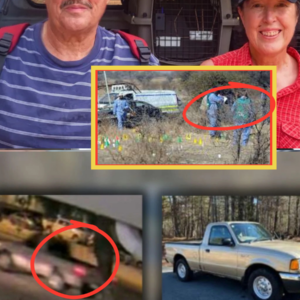
THE ROAD LOCALS FEARED MOST: Before Ernst and Dina Marais disappeared, a driver reportedly warned them about a risky route near Pafuri
By Africa Crime Desk At the time, it was only a casual warning. The kind of thing locals say to tourists near Pafuri every day: take care on that road, avoid the quieter route too late, don’t assume the bush…
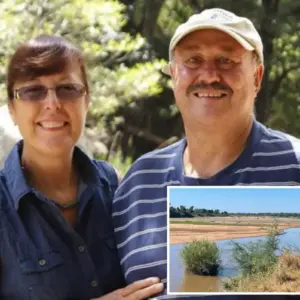
THE GATE CAMERA MAY HOLD THE ANSWER: Newly recovered security footage is reportedly helping investigators reconstruct the final hours before Ernst and Dina Marais vanished into the Kruger mystery…
The killers may have thought the river would hide everything. The bodies.The vehicle.The route.The reason Ernst and Dina Marais were targeted in one of the most shocking crimes in Kruger National Park’s history. But the case may not have ended…
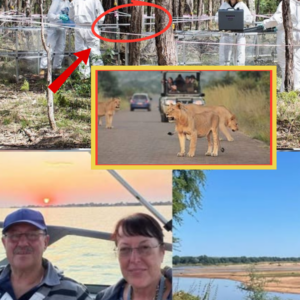
THE DOGS DIDN’T FAIL — THE TRAIL CHANGED: At the riverbank in Kruger, the scent vanished near the water
The dogs followed the scent until the river took it away. That is the chilling claim now circulating around the murder of Ernst and Dina Marais, the retired Mossel Bay couple found dead near Crooks Corner in Kruger National Park….
The sniffer dogs stopped at the water’s surface” at the location where Ernst and Dina’s bodies were found in Kruger National Park During the search
The dogs followed the scent until the river took it away. That is the chilling claim now circulating around the murder of Ernst and Dina Marais, the retired Mossel Bay couple found dead near Crooks Corner in Kruger National Park….
End of content
No more pages to load