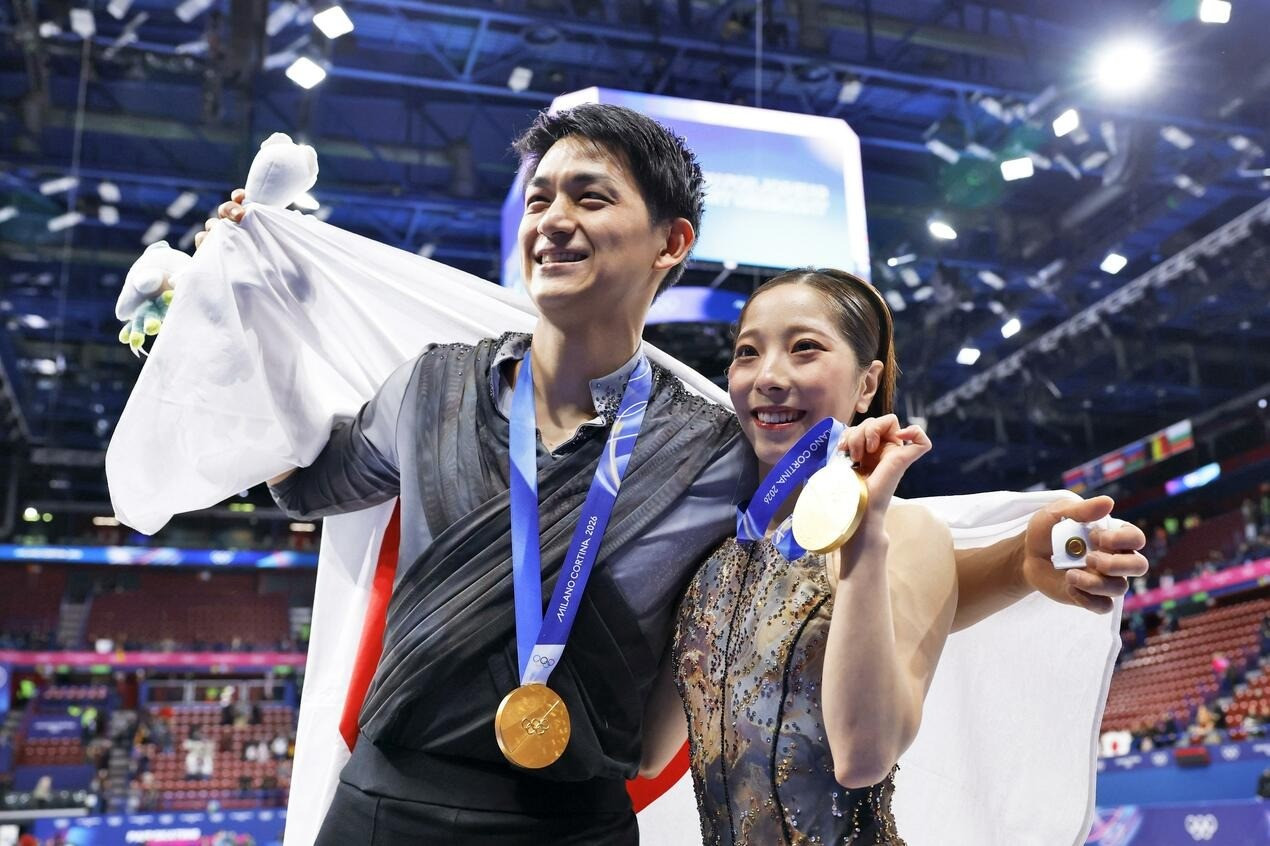
Olympic shock: Ryuichi Kihara collapses on the ice after winning historic Gold with his teammates
“They said I wasn’t good enough. I thought my career was over.” When Ryuichi Kihara collapsed onto the ice, the arena fell silent for a heartbeat before erupting into thunderous applause as Japan’s historic Olympic pairs victory finally became real beside partner Riku Miura.
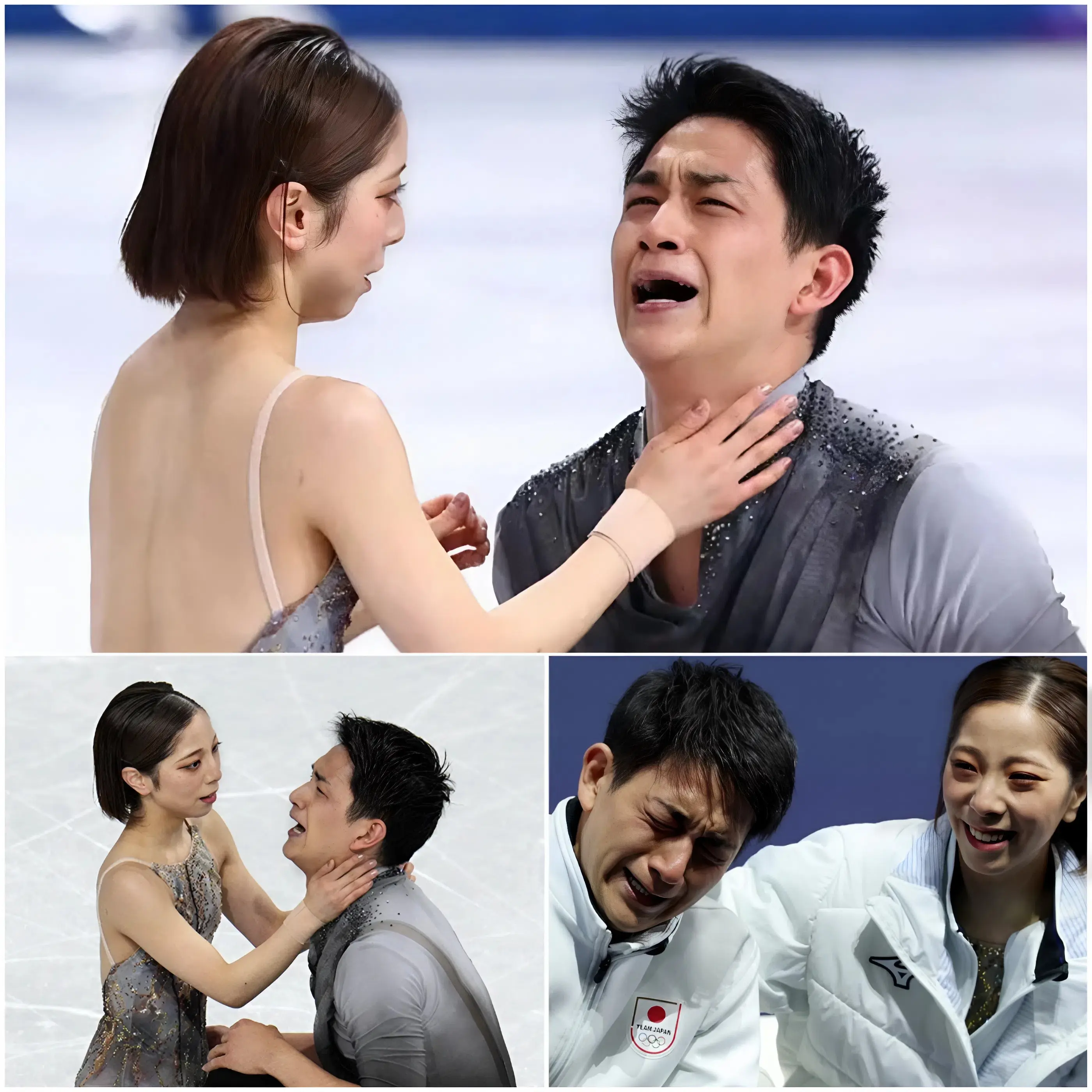
For a few seconds neither of them moved. Miura stood beside him, eyes shining, as the scoreboard confirmed the result. The crowd slowly realized what had happened: Japan had just won its first Olympic gold medal in pairs figure skating.
Tears streamed down Kihara’s face as he covered his eyes with his gloves. Years of pressure, criticism, and relentless effort had finally ended in triumph. The moment felt almost unreal, as if time itself had paused inside the arena.
Fans watching around the world saw a champion overwhelmed with emotion. But what many viewers did not realize was how close Kihara had come to leaving the sport entirely long before that historic Olympic performance.
Years earlier, his career had seemed uncertain and fragile. Partnerships had formed and dissolved, sometimes suddenly, leaving him struggling to rebuild both technique and confidence while wondering whether he truly belonged in elite pair skating.
In those difficult years, Kihara trained quietly, often away from the spotlight. There were mornings when he stepped onto the ice before sunrise and nights when he left the rink long after everyone else had gone home.
At times the loneliness felt overwhelming. Pair skating requires trust, timing, and perfect communication, yet finding the right partner had proven painfully difficult. Each failed partnership felt like another step away from the dream he once believed possible.
During one particularly uncertain period, he returned to his home region in Aichi. There he worked at a small skating rink, helping distribute rental skates to visitors while reflecting on whether his competitive journey had quietly reached its end.
Watching beginners step carefully onto the ice reminded him why he had fallen in love with skating in the first place. Yet at the same time, it forced him to confront a painful question: was his own competitive story already finished?
Friends later recalled that he rarely spoke about quitting openly. Instead, he simply worked harder, as if effort alone might reveal the answer. Still, doubts lingered in the quiet moments between training sessions.
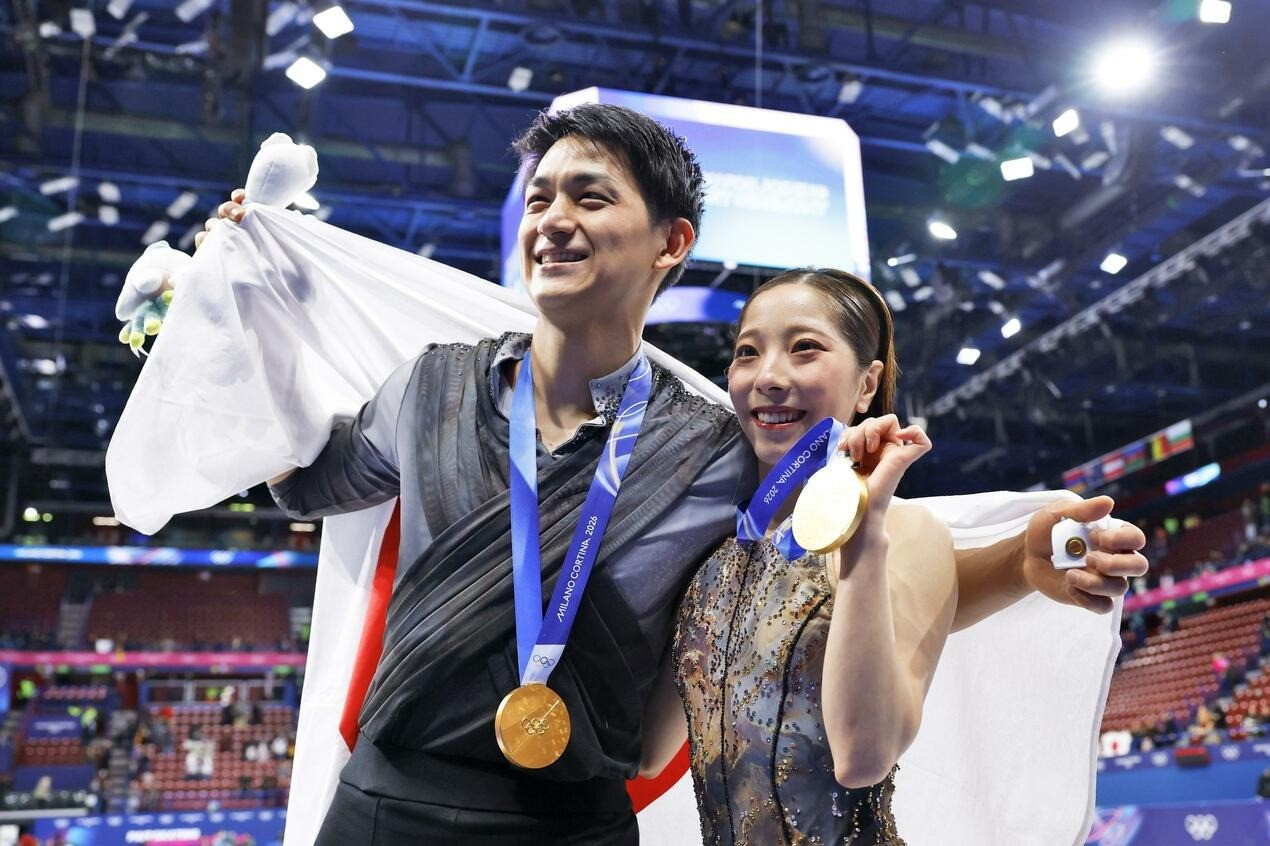
Everything began to change when he eventually formed a partnership with Riku Miura. From their earliest practices, coaches noticed a rare chemistry between them, a natural synchronization that seemed to appear almost instantly.
Their styles complemented each other perfectly. Miura’s explosive athleticism balanced Kihara’s steady precision, creating routines that felt both powerful and graceful. Slowly, results began to improve and confidence started to return.
But the road was still far from easy. International competitions brought fierce rivals, and the pressure of representing Japan grew heavier with every season. Expectations from fans and media only added to the challenge.
There were competitions where mistakes cost them podium finishes, and nights when they replayed every error again and again in their minds. Yet each setback also strengthened their determination to keep moving forward together.
Their training schedule became relentless. Hours of lifts, throws, spins, and choreography were repeated until every movement became instinctive. Coaches pushed them to refine even the smallest details.
Gradually the pair began climbing the world rankings. With each successful performance, observers started to realize that something special was developing between the two skaters.
Still, Olympic gold seemed almost impossible. The history of pair skating had long been dominated by other countries, and Japan had never stood at the top of that particular podium before.
When the Olympic season finally arrived, Miura and Kihara carried not only their own dreams but also the hopes of an entire nation that had waited decades for such a moment.
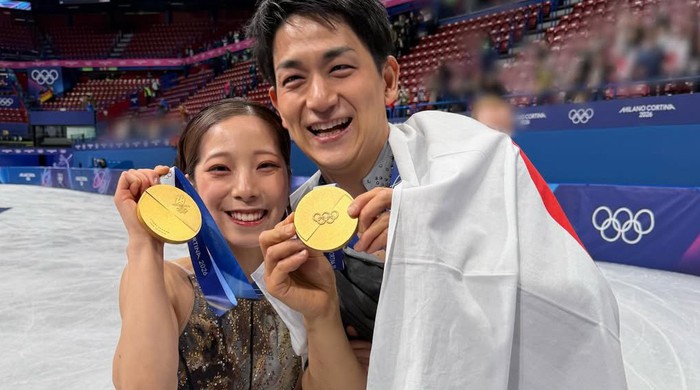
Their performances leading up to the Games showed remarkable consistency. Clean programs and powerful emotional expression made them serious contenders, though many experts still considered them underdogs against established champions.
Then came the Olympic final. The arena lights reflected off the ice as they stepped into position, knowing that one perfect routine could change their lives forever.
Their program unfolded almost flawlessly. Each lift rose high and steady, each throw landed with confidence, and their final pose drew a roar from the audience even before the judges posted the scores.
When the final numbers appeared, the arena erupted. The scoreboard confirmed what few had dared to imagine: Miura and Kihara had secured Olympic gold.
In that instant, the years of doubt and sacrifice rushed back all at once. Kihara dropped to his knees, overwhelmed by the realization that the dream he once thought impossible had become reality.
Miura helped him stand, and together they bowed to the cheering crowd. Cameras captured the emotion of a partnership that had survived countless obstacles to reach the very top of their sport.
Later, when reporters asked what he was thinking in that moment, Kihara smiled through tears and delivered a quiet eight-word statement that stunned fans everywhere.
“I almost quit, but the ice called me back.”
Those words spread quickly across social media, resonating far beyond the skating world. For many people, his story became a powerful reminder that the path to greatness often passes through doubt and failure.
What fans saw on the Olympic podium was not just a victory, but the final chapter of a long and uncertain journey. And for Kihara, the tears on the ice were proof that perseverance can sometimes turn the brink of quitting into history.